

The Dolomites, Valle de Guadalupe, & Paradero
Hello Curious Cats,
How is it already December? Between a whirlwind six-month wedding sprint and keeping our travelers humming, my own larger suitcase took a short sabbatical. I’m back—with sand still in my shoes, mountain air in my lungs, and a notebook full of tastings and trail notes.
This issue traces three terrains I love equally—desert, sea, and peaks—through three very different chapters of the last few months. First up: Valle de Guadalupe, where I recently hosted my bachelorette. Think golden light, clay-colored vineyards, and long-table dinners under string lights.
Then we slip to the sea at Paradero on the Baja peninsula: an elemental reset of adobe geometry, desert gardens, and surf spray. Consider this your blueprint for soft-adventure days—sunrise hikes, mezcal tastings, farm suppers—and the best timing for whales, waves, and wildflowers.
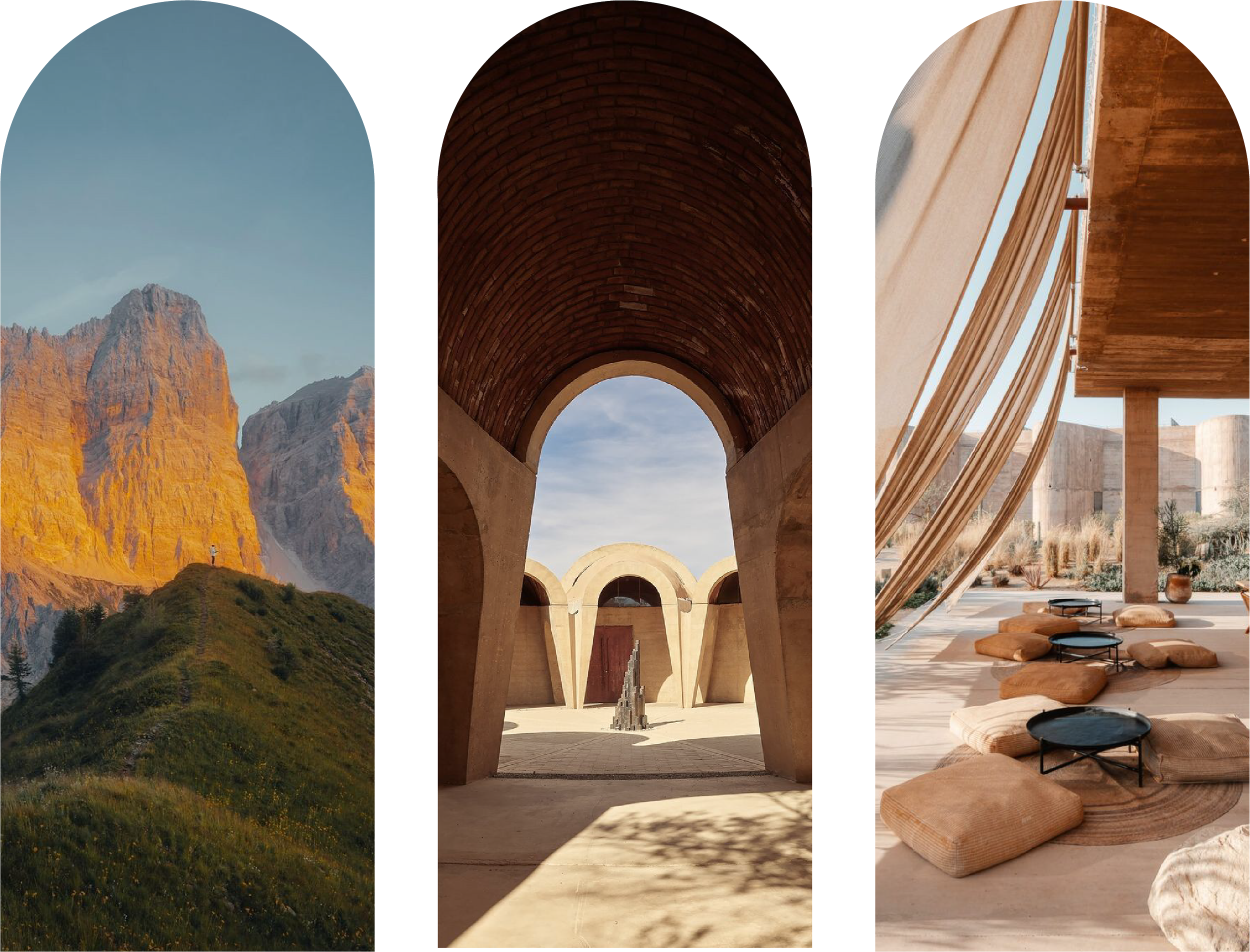
Finally, we climb into summer’s notes from the Dolomites—jagged limestone cathedrals, out-of-this-world hikes, and the best of farm-to-table dining. With the Milano–Cortina 2026 Winter Olympics on the horizon, I’m sharing routes, bases, and bookings to make your mountain time a little too cozy.
Settle in. Circle your curiosities. And as always, tell me what you want more of—I’ll go find it.
Onwards & upwards,
J
VALLE DE GUADALUPE
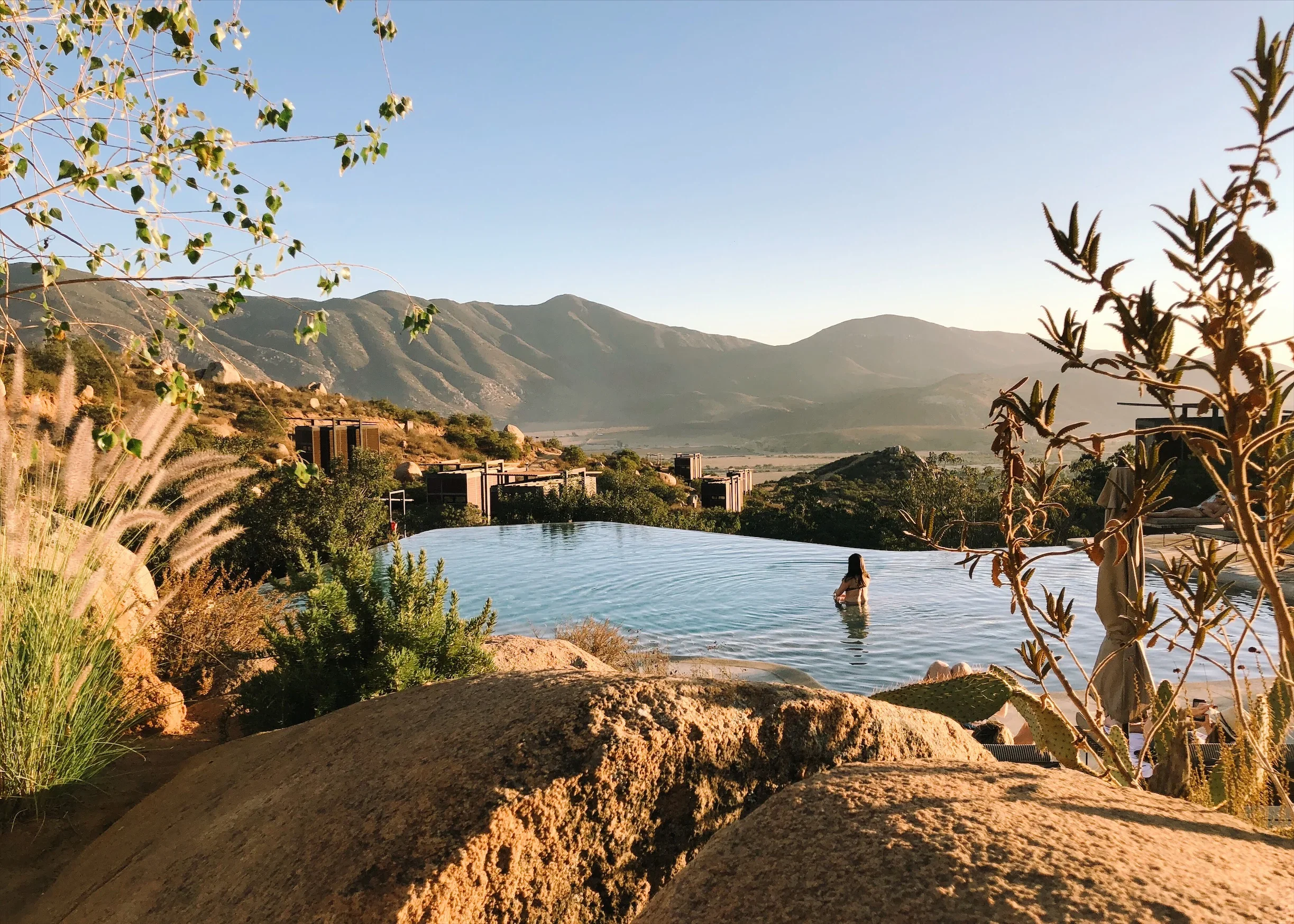
As a reluctant bride, choosing a destination for my bachelorette was no easy feat. I wanted to surprise and delight—somewhere that felt celebratory yet grounded, design-forward yet authentic. With 19 of my favorite people in tow, I knew it had to be in Mexico—as a self-proclaimed cultural ambassador of the country—and, naturally, wine country felt right. Valle de Guadalupe offered everything I love: bold flavors, intimate design, and a touch of wildness. Plus, it was relatively easy for my West Coasters to reach, sitting just under two hours south of the California border.
A LITTLE HISTORY
Valle de Guadalupe is Mexico’s premier wine region, part of Baja California’s “Ruta del Vino.” The area’s viticultural roots date back to the late 1800s, when Russian settlers began cultivating grapes, later joined by Mexican winemakers inspired by European techniques. The Mediterranean-like climate—warm days, cool nights, and coastal breezes—makes it ideal for varietals like Tempranillo, Nebbiolo, Grenache, and Chenin Blanc, though experimentation is the soul of the valley. Today, Valle de Guadalupe stands as a vibrant crossroads of architecture, gastronomy, and enology—a place where every glass tells a story of Baja’s creative revival.
OUR WEEKEND AT BANYAN TREE VALLE DE GUADALUPE
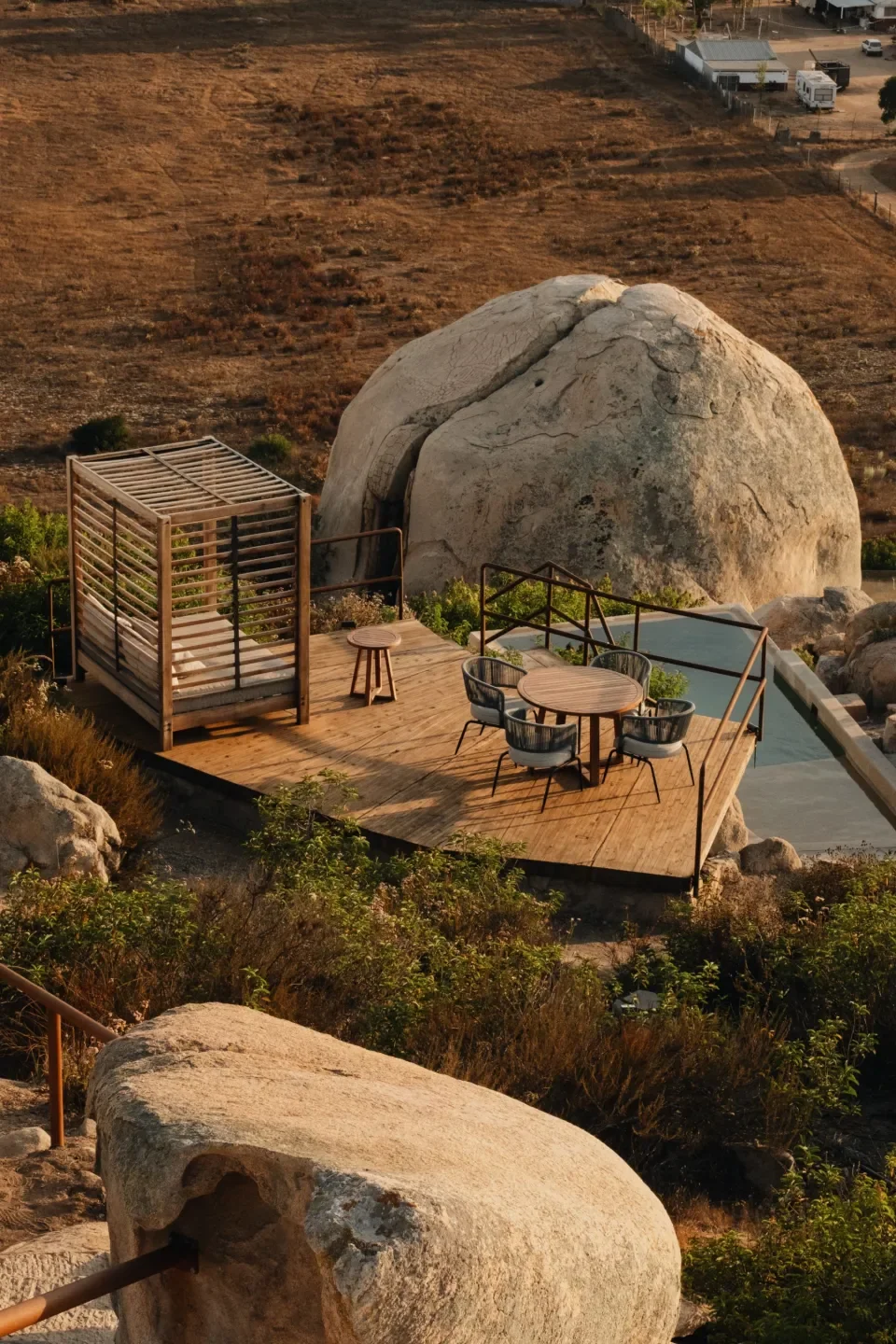
For the weekend, we made Banyan Tree Valle de Guadalupe our home. Its sculptural architecture and soft desert palette framed sweeping vineyard views—modern yet soulful, perfectly Baja. The spa was exceptional—think indigenous-inspired treatments and open-air tranquility—and we loved the property’s own restaurant and vineyard, which we explored on our last day over lazy pours and warm sunsets. If you go with a group, take the Winemaker’s Villa - a three-bedroom villa perched on the top of the mountain.
THE HIGHLIGHTS
Lobster Taco Breakfast — Rosarita
We kicked off the weekend seaside in Rosarita with buttery lobster tacos and ocean air on our way to Valle de Guadalupe. It makes for the perfect pit stop after an early morning flight to Tijuana.
Check-In — Banyan Tree Valle de Guadalupe
Arrival cocktails overlooking the vines, quick unpack, and immediate immersion in the valley’s serene rhythm.
Seafood Lunch & Oysters — Hugo De Acosta
A long-table lunch celebrating Baja’s maritime bounty. Fresh oysters, grilled fish, and wine poured by one of Valle’s most legendary winemakers.
Sunset Wine Tasting — Bruma
An architectural icon of the valley. We sipped local blends beneath Bruma’s famous tree canopy and watched the sun dip behind the hills.
Dinner — Fauna
One of Mexico’s most acclaimed kitchens, Fauna balances earth and experimentation. Every dish felt celebratory—local ingredients elevated with creativity - and long tables quickly turn all the guests into family.
Vinyl & Drinks — Bloodlust
We closed the night with vinyl tunes and mezcal cocktails at this moody, design-forward bar—part speakeasy, part art installation.
Labyrinth Meditation — Banyan Tree
A slow morning practice among the vines—quiet, grounding, and deeply restorative after a night of celebration.
Lunch — Deckman’s
Chef Drew Deckman’s open-air kitchen among olive trees was the definition of Baja farm-to-table. Wood-fired everything, paired with crisp local whites. The food was just as visually stimulating as it was delicious. For me, my favorite in food.
Wine Tasting — Mogor Badan
One of the valley’s most elegant estates, Mogor Badan offers refined French-influenced wines and intimate tastings led by passionate hosts. We had our favorite wines here, and absolutely adored the owners.
Dinner — Bar Bura
Perched above the ocean in El Sauzal, this cliffside gem offered the perfect finale—sunset views, seafood, and the ultimate party buses that escort you to and from the location.
CHECKING IN: PARADERO HOTEL
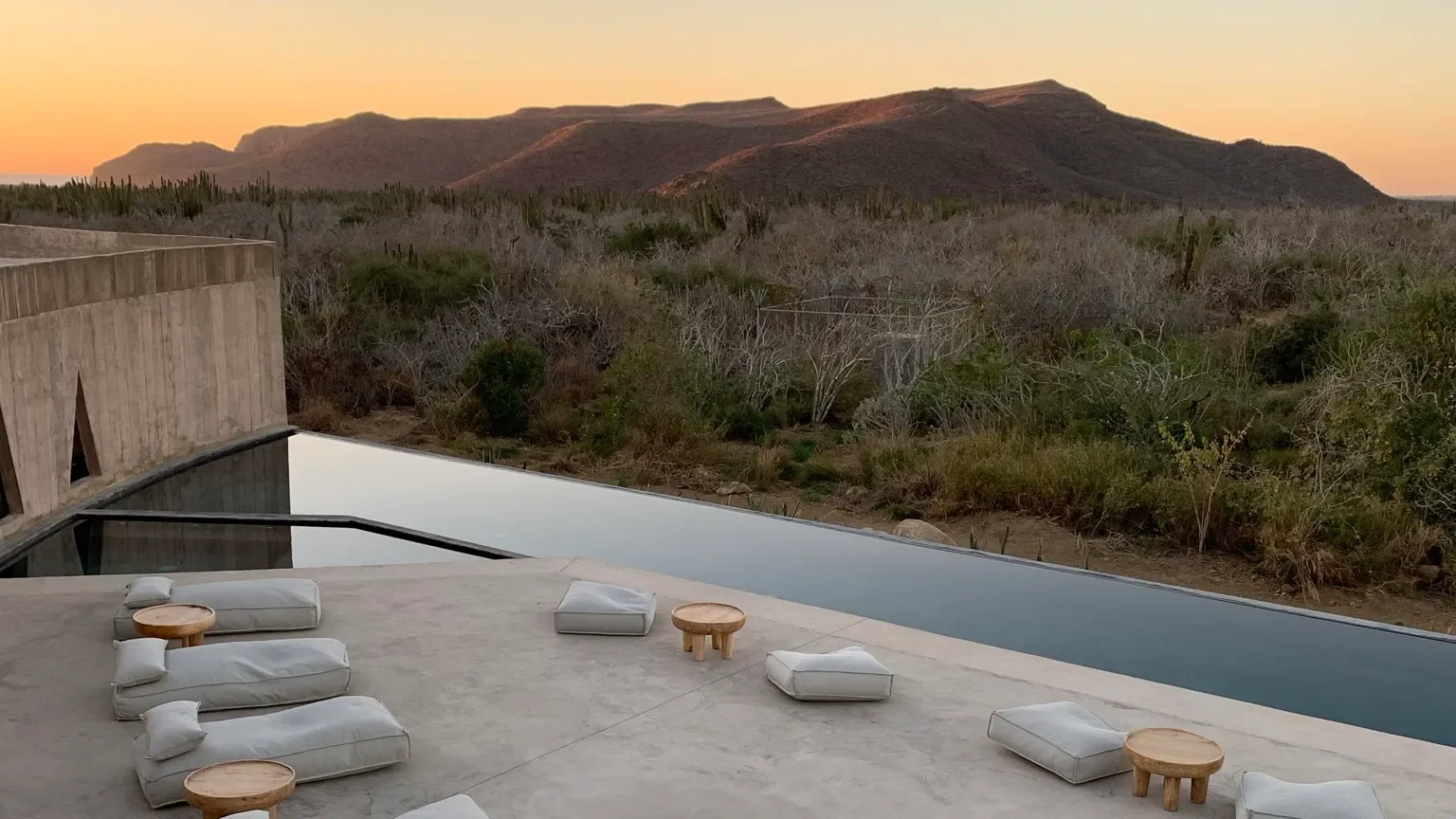
Set just outside Todos Santos, where desert meets the Pacific, Paradero Hotel is a study in elemental design—sun-washed concrete, native landscaping, and sightlines that frame sky and sand like art. It’s undeniably photogenic (every corner begs for a camera), but the aesthetics serve a purpose: calm. From the sunset-facing pool with swim-up dining to the rooftop stargazing nets above select suites, the property choreographs nature, gastronomy, and wellness into a single, unhurried rhythm.
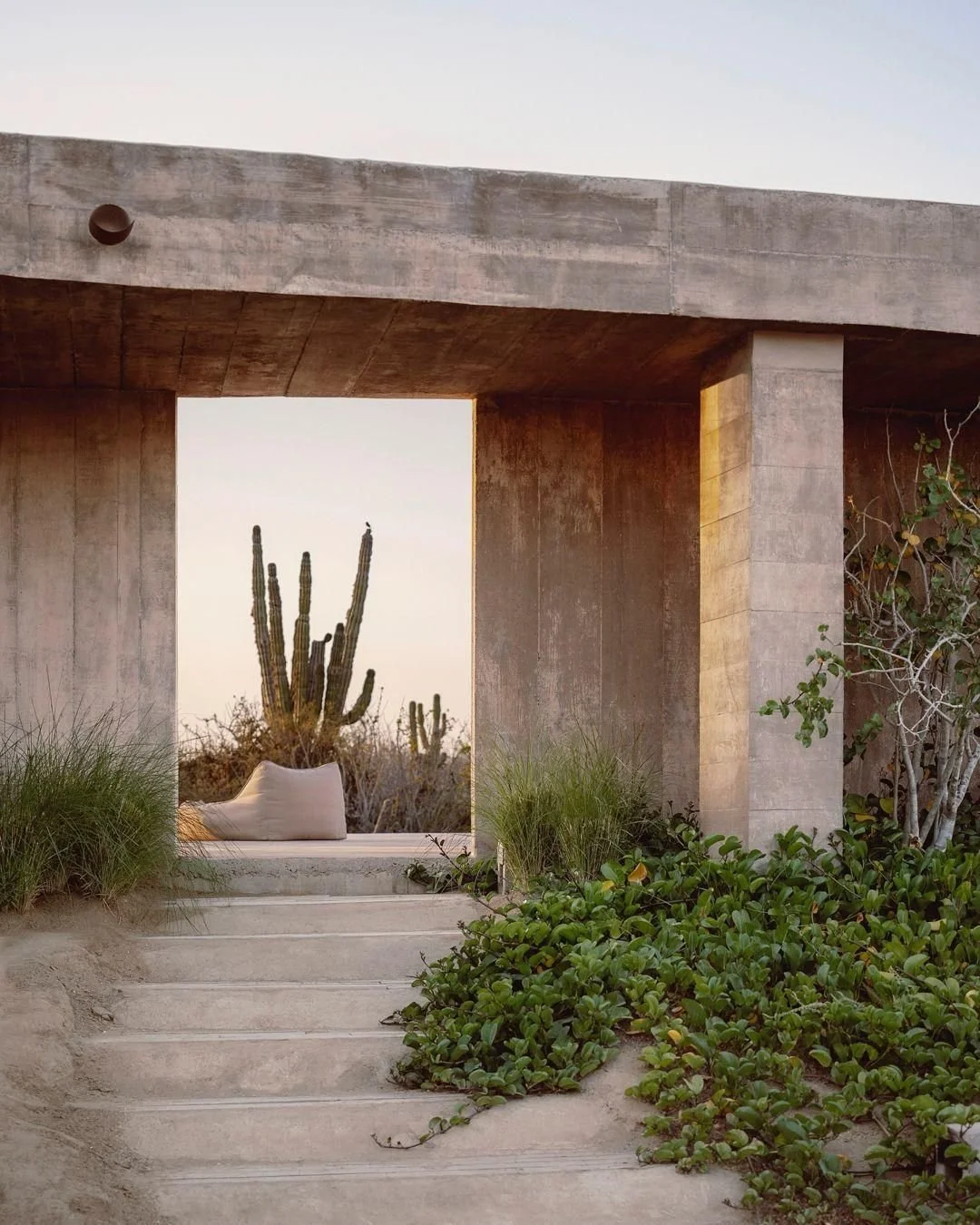
I’m rarely surprised by hotel restaurants; Paradero is the exception. Each dish felt considered and precise—from herbs placed with chopsticks to tortillas kissed by a wood-fired oven. We perched at the counter just to watch the kitchen’s choreography, then joined a hands-on session to tackle Mexican staples that even a Mexico City resident can appreciate. Prices are high for Mexico, but the dedication of the team justify the splurge.
Co-founder, Josh Kremer, and team have clearly sweated the details. Programming feels like an extension of the hotel rather than an add-on: sunset set-ups on a hushed stretch of beach, thoughtful cooking and cocktail classes, and well-run surf lessons. Transfers are seamless, gear is dialed, and timing is spot-on—so the memories feel effortless. They’re also rolling out residency programs, a turnkey option if Baja has been calling you home without the upkeep.
Paradero is for travelers who value design, quiet luxury, and meaningful experiences over flash. Come for the architecture and soft desert light; stay for the kitchen’s finesse and the way a day here expands—pool, net, stars, repeat.
THE DOLOMITES
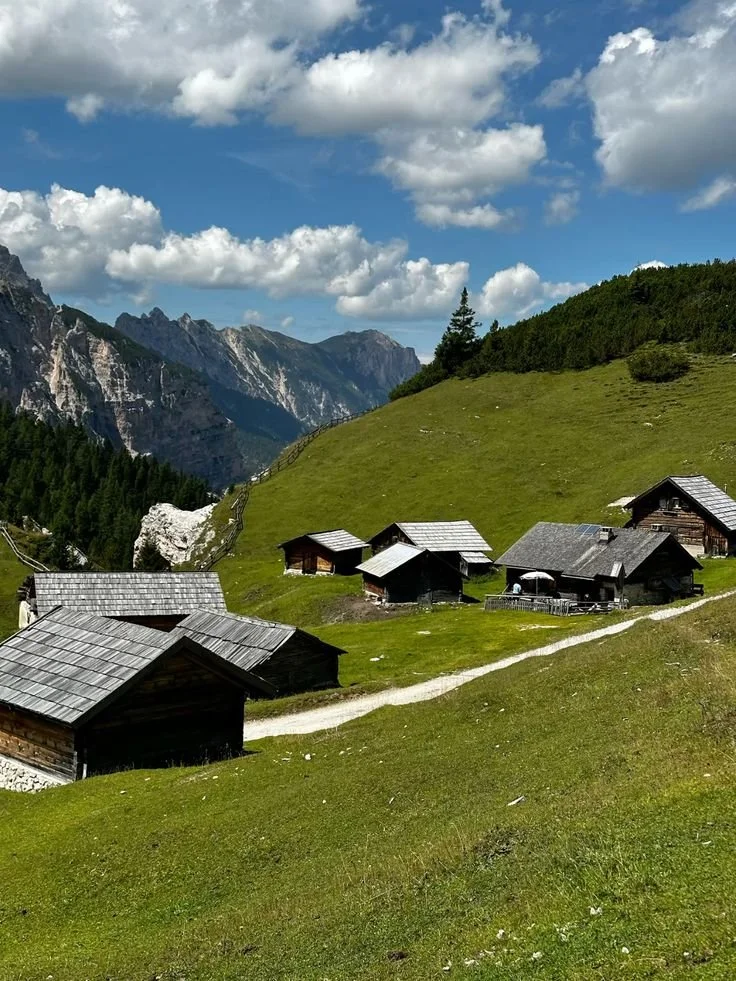
This summer was all about sidestepping the crush and savoring Italy’s (slightly) off-the-beaten path gems. For our final stop, we pointed the car north—pausing in Treviso, that elegant little enclave outside Venice—to visit a friend before threading into the Dolomites. If you can handle the curves, driving is the only way to arrive: every turn frames a new cathedral of limestone, every valley opens like a stage set. Don’t rush it; the approach is half the delight.
WHY THE DOLOMITES?
Because they’re a thoughtful blend of cultures and landscapes you don’t often find in one place. The region sits at a historic crossroads—Austro-Hungarian roots meet Italy’s north—so you’ll hear German, Italian, and Ladin in the same village and see it reflected everywhere: timber chalets beside clean-lined alpine-modern hotels; menus that move from canederli and speck to polenta, fresh pastas, and strudel; wine lists with Lagrein and Schiava next to Alto Adige whites. Trails range from easy meadow walks to via ferrata routes first set during WWI, supported by an excellent rifugi network (warm meals, real beds, hot showers). Valleys like Alta Badia, Val Gardena, and Alpe di Siusi are well organized—summer lifts, clear signage, reliable transit—so you can hike all day and be back for a sauna and a civilized dinner. It’s not just dramatic scenery; it’s a place where mountain life is lived with care, craft, and charming as can be.
ANCORA CORTINA
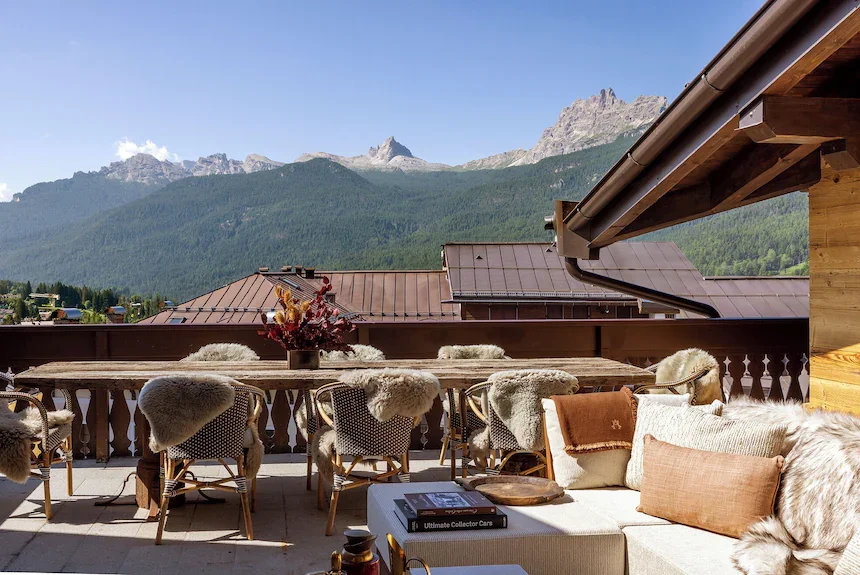
We kicked off our trip with Cortina, the soon-to-be backdrop for the 2026 Olympics. We checked into the recently opened, Ancora Cortina, a newly remodeled cozy enclave of thirty-five rooms tucked into the center of town. Under the leadership of the Borgo Egnazia team, I knew it would not disappoint. Since they were still technically opening, we were the few if only lucky guests to enjoy the fruits of the hotel.
The team quickly became like family. We got to know everyone at the hotel - the lead chef, the GM, our server, the bartender - the team was pure excellence. Each day there was a familiarity there that made it feel like a chic Alpine hideaway with a whole group of friends.
The hotel is intimate, but sophisticated. Furs draped across barends and lighting that makes you want to lavish in apres forever more. It is exactly what you want no matter the time of year with a little rock and roll thrown in - sexy messages left on our mirror at turn down and the moodiest bedside tables that make you never want to leave bed. Located just off the mountain, you wake up with the bells of the city and views of the surrounding. Needless to say, we will be returning.
CORTINA HIGHLIGHTS
El Brite de Larieto
If you do nothing else, may it be El Brite. It is truly filed as one of my all time favorite meals -maybe it was due to the happy cows that came out to greet me as I walked onto the property, but WOW. Set in a meadow above Cortina, El Brite de Larieto is a working mountain farm and restaurant run by the Ghedina family. Known for its malga-to-table ethos, nearly everything served—cheeses, butter, cured meats, herbs—is produced on-site or within a few kilometers. The setting feels timeless: wooden beams, flickering firelight, and mountain views that stretch for miles. It’s one of those rare places where you taste the land, the season, and the care behind every dish. While everything is delicious, the butter lives in my fantasies. Wish I could package that up and take it home with me.
Rifugio Baita Pié Tofana
A Cortina classic perched at the base of the Tofane peaks, Rifugio Baita Pié Tofana blends rustic alpine warmth with polished gastronomy. Evening beckons with candlelight dinners of homemade pastas, game meats, and regional vintages unfold charming timber beams. They have tasting menus that cater to all taste profiles and a wine selection that makes even the slightest of wine aficionados weak at the knees. It is a place that instantly makes Aspen look cliche.
Tre Cime di Lavaredo Hike
The Tre Cime di Lavaredo loop is the Dolomites’ crown jewel: a moderate 10-kilometer trail encircling three monumental limestone spires that seem to rise straight out of the sky. Starting at Rifugio Auronzo, the path winds past alpine meadows, wartime tunnels, and panoramic lookouts that change with every step. It’s a hike for both seasoned trekkers and casual wanderers—less about challenge, more about awe. Go early or late to avoid crowds, and if driving, make sure you get a car pass to drive all the way up the mountain.
For the truly perfect day, hit Tre Cime first thing in the morning, and then make your way to Brito for a feast.
Pasticceria Alverà
Where Italian craft meets alpine comfort. This beloved bakery at the edge of town blends a solid Italian pastry foundation with Tyrolean heart and French technique. Buttery croissants and bite-size mignons are non-negotiables—flaky, delicate, and dangerously irresistible. Swing by for a pre-hike espresso and cornetto or an après-ski sweet; it’s the kind of place that makes “just one” impossible.
