
Conversations with Friends: KIRA BELLA
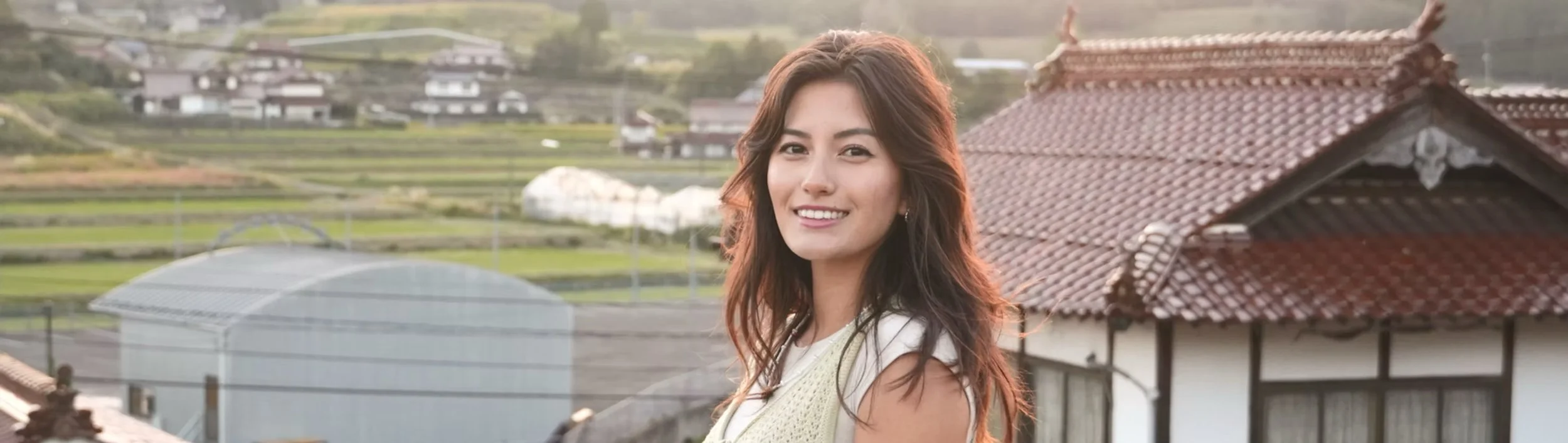
Kira Bella is the founder of Kirameki, a Japan-based platform dedicated to cultural immersion, rural revitalization, and meaningful connection beyond the cities. Through her work, she creates experiences that invite travelers into the everyday rhythms of the Japanese countryside — from traditional homes and local rituals to community-led encounters rooted in care and continuity.
Living and working closely with rural communities, Kira brings a thoughtful perspective on fulfillment, purpose, and what it means to truly belong in a place. Her approach to travel centers on slowness, respect, and the quiet beauty found in traditions that endure.
THE FOUNDATION
FOR READERS DISCOVERING YOU FOR THE FIRST TIME, HOW WOULD YOU DESCRIBE WHO YOU ARE AND THE INTENTION BEHIND KIRAMEKI?
I grew up in a generation of young people who have always been concerned about the future. Being Gen Z means being raised with technology and with constant awareness of climate change. Everyone I know, including myself, has felt a longing for a life rooted in community, tradition, meaning, and the ability to be offline. From a very young age, I knew I wanted to make a positive impact in the world.
My upbringing shaped that desire deeply. I come from more than eighteen ethnic backgrounds. My mother immigrated from Myanmar. My father worked for the UNHCR, supporting refugees across Africa and many of the world’s most vulnerable regions. I was born and raised in Dar es Salaam in Tanzania, then spent my childhood in Australia, and eventually moved to the United States on my own. All of these experiences taught me to search for purpose and for ways I could contribute something meaningful to the world.
Through my travels and my belief that life becomes meaningful through culture, community, and human connection, I created Kirameki to share a corner of the world that feels wholesome, peaceful, and pure. My intention is to bridge the world with rural Japan, and to remind people that joy and meaning often come from simple traditions, deep care, and a sense of belonging.
Your work centers around shining light on lesser-known parts of Japan. What first pulled you toward the countryside?
I was first pulled toward the countryside when I encountered Kagura, the oldest performing art in Japan. The town I live in, Kitahiroshima in Hiroshima Prefecture, has the highest concentration of Kagura dance teams in the country. The origin story of Kagura is tied to the goddess of the sun and the bringing of light back to Japan. It is a story I share often with guests.
Many people imagine Japan as a futuristic place, or they think only of tea ceremonies and geishas. Yet when I think of Japan, I think of the vibrant and lively world of Kagura. The enormous masks, the ancient rhythms, and the sound of taiko drums open a doorway to a mythological landscape. That beauty is what drew me to the countryside.
CULTURA, TRADITION, & IMMERSION
When you think about fulfillment in Japan, what does it look or feel like in your everyday life?
Fulfillment shows up in the smallest things. It looks like the tomatoes I finally managed to grow in my garden. It is the feeling of learning every day from the hardworking people around me. Japan has an inherent spirit of doing your best, known as ganbare. Whether you are planting seeds or sweeping your front steps, there is pride in the effort.
This attitude creates a sense of care and attention to detail everywhere you look. People are grateful for their surroundings and treat their environment with respect. That quiet devotion fills daily life with meaning.
What cultural experiences or rituals in rural Japan have had the greatest impact on you?
The experiences that have impacted me most are the festivals, sports events, and community gatherings I have joined. Watching children practice ancient martial arts, and then seeing grandparents cheering for them because they once did the same, showed me how tradition lives across generations.
People participate not because they have to, but because they care about preserving their culture and supporting one another. That sense of connection influences the way I show up in my community and the way I try to contribute. Everyone encourages each other. Everyone belongs.
Is there a moment or tradition you wish every traveler could witness to better understand the heart of Japanese culture?
I wish every traveler could experience Kagura. Understanding the mythological origins of Japan and the influence of Shinto helps people see how deeply connected Japanese life is to nature. In Shinto, it is not only the gods who are honored. Stones, rivers, mountains, and every element of the natural world are treated with care.
Learning this gives people a new way to understand gratitude, presence, and the importance of honoring what surrounds us.
RURAL REVITALIZATION & COMMUNITY
You have said the most meaningful moments happen in small countryside communities. What experiences have impacted you the most?
The moments that impacted me most came from how warmly my community welcomed me. I was invited to participate in a UNESCO World Heritage rice planting festival as a rice planting maiden. I was the first foreigner in my town to ever do this. The women taught me ancient songs for the parade, and I ended up featured in a fifteen minute news segment about the experience.
They told me they felt like proud sisters watching me work so hard. That moment changed me. It showed me what true community feels like, and how traditions stay alive when people support one another.
What do you wish more travelers understood about rural Japan — its culture, its rhythms, and the people who sustain it?
I wish more travelers could see how peaceful and harmonious rural Japan truly is. People here live with a deep awareness of one another. There is respect woven into daily life. Everyone knows their neighbors. People take pride in their surroundings and care for their community with quiet devotion.
The rhythms of rural Japan move at a different pace. Life is slower, but more intentional. When travelers come here and live as locals do instead of simply observing from the outside, they discover that the beauty of the countryside comes not only from the scenery but from the way people treat each other. Harmony is something you feel, not something you see, and it comes from generations of shared values.
You work closely with rural communities on revitalization projects. What have these relationships taught you about purpose and belonging?
Working on revitalization projects has taught me that even though I was not born or raised in this community, I still have something meaningful to offer. Many people here have lived in the same place their entire lives. They have extraordinary traditions, but they may not always see them with fresh eyes.
My global background gives me a different perspective. I can recognize the beauty in things people may overlook simply because they have grown accustomed to them. By sharing stories, capturing moments, and connecting these traditions with the world, I help highlight the value of what already exists here.
These relationships have taught me that belonging is not only about where you come from. It is about how you choose to show up, how you contribute, and how you care. Purpose can come from bridging worlds and helping a community see itself through a new lens.
THE KIRAMEKI APPROACH
Kirameki creates immersive stays, cultural workshops, and community-led experiences. What makes these encounters different from typical rural tourism?
What makes Kirameki different is the intention behind every experience. I want people to truly engage with the world around them and learn about this area through culture, community, culinary experiences, and nature. These programs give context to the things Japan is known for, such as its long and healthy lives, its deep work ethic, and its attention to detail.
Understanding the mythology and history of this region helps visitors appreciate why these values exist. Rather than simply doing activities, guests have opportunities to learn directly from the people who preserve these traditions. One example is the intergenerational woodcutter who built a beautiful accommodation to pass on the spirit of Japanese forestry. He is the last in his family carrying on this craft, and he wants to share it with the world.
Kirameki experiences are not passive. They are designed to help people learn, connect, and walk away with something that can make their life richer and maybe even make the world better.
How do you choose the communities, homes, and traditions you introduce to travelers — and what values guide that curation?
Everything I share through Kirameki is built on passion. I naturally gravitate towards people who love what they do and care deeply about the traditions they are keeping alive. The farmers, artisans, hosts, and sensei I partner with all share a desire to tell their story and preserve something meaningful.
The values that guide my curation are authenticity, respect, and genuine connection. I introduce travelers only to communities that welcome cultural exchange. I choose homes that carry history and soul. I choose teachers who practice their craft with sincerity. When passion and purpose come together, the experience becomes unforgettable.
For someone seeking a deeper, more intentional experience of Japan, where should they begin and what mindset should they bring?
For a deeper experience of Japan, people should begin by engaging directly with the culture and the community. So many travelers come as observers. But the real beauty of Japan reveals itself when you ask questions, show sincere curiosity, and try to understand the meaning behind what you see.
The mindset to bring is one of respect, eagerness, and openness. If you show interest in something and genuinely want to understand it, people will share so much wisdom and context with you. Japan has layers upon layers of meaning. When you approach it with care, the depth becomes infinite.
Are there specific regions, seasons, or festivals that reveal a more meaningful, lesser-known side of Japan?
There are countless countryside regions across Japan that travelers rarely explore, yet their traditions have been preserved for hundreds of years. One of the most accessible places to begin is Kitahiroshima in Hiroshima Prefecture, where I host my programs. This entire area is part of the mythological belt of Japan, filled with ancient stories, rituals, and landscapes that feel untouched by time.
The seasons here are distinct and beautiful. Firefly season in June and July is one of the most magical times of the year. Spring cherry blossoms and autumn leaves are stunning without the crowds. And rural towns often host more festivals and local events than people expect, because communities want to keep their culture alive.
I also love the Chugoku region, Shikoku, and Kyushu. These places carry traditions and landscapes that reveal a side of Japan few people ever see.